Table of Contents
ToggleSuitable Materials for Food Packaging : A Complete Guide
Food packaging plays a critical part in maintaining the quality, safety, and freshness of food products. Choosing the right material for food packaging is essential not only for conserving taste and preventing contamination but also for meeting nonsupervisory morals and supporting sustainability. With adding consumer awareness and environmental enterprises, businesses must precisely estimate the most suitable materials for food packaging.
In this composition, we will explore the swish food packaging paraphernalia, their benefits, and how to choose the right bone
for your products.
Food packaging plays a critical part in maintaining the quality, safety, and freshness of food products. Choosing the right material for food packaging is essential not only for conserving taste and preventing contamination but also for meeting nonsupervisory morals and supporting sustainability. With adding consumer awareness and environmental enterprises, businesses must precisely estimate the most suitable materials for food packaging.Materials for Food Packaging
In this composition, we will explore the swish food packaging paraphernalia, their benefits, and how to choose the right bone
for your products.
Add Your Heading Text Here
Why Choosing the Right Food Packaging Material Matters
The primary purpose of food packaging is protection. Suitable paraphernalia help help physical damage, reduce exposure to air and moisture, and cover food from bacteria and other adulterants. also, effective packaging improves shelf life, enhances brand donation, and ensures accessible transportation.
From a marketing perspective, attractive packaging can impact buying opinions. -friendly packaging paraphernalia help brands appeal to environmentally conscious consumers.Materials for Food Packaging
The primary purpose of food packaging is protection. Suitable paraphernalia help help physical damage, reduce exposure to air and moisture, and cover food from bacteria and other adulterants. also, effective packaging improves shelf life, enhances brand donation, and ensures accessible transportation.
From a marketing perspective, attractive packaging can impact buying opinions. -friendly packaging paraphernalia help brands appeal to environmentally conscious consumers.
Utmost Suitable materials for Food Packaging
1. Plastic
Plastic remains one of the most considerably used food packaging paraphernalia due to its versatility and affordability. It’s feathery, durable, and resistant to moisture, making it ideal for products analogous as snacks, concrete foods, dairy, and beverages.
Common types of food- grade plastics include
PET( Polyethylene Terephthalate) Used for water bottles and soft drink holders because of its strength and clarity.
HDPE( High- density Polyethylene) Ideal for milk jugs and juice bottles due to its excellent moisture barricade.
PP( Polypropylene) Heat- resistant and suitable for microwave oven roaster-safe holders.
still, businesses should consider recyclable or biodegradable plastic options to reduce environmental impact. Materials for Food Packaging
2. Glass
Glass is considered one of the safest paraphernalia for food packaging because it’snon- reactive and does n’t release dangerous chemicals into food. It preserves flavor and is perfect for products like gravies, logjams, pickles, and beverages. Materials for Food Packaging
Benefits of glass packaging
100 recyclable
Excellent barricade against air and moisture
Maintains product freshness
Premium appearance
The main downsides include its weight and fragility, which can increase transportation costs.
Factors to Consider When concluding Food Packaging paraphernalia
When choosing the most suitable material for food packaging, consider the following factors
1. Food Safety ensure the material is food- grade and complies with safety regulations.
2. Shelf Life Select paraphernalia that give respectable walls against moisture, oxygen, and light.
3. Sustainability Opt for recyclable or compostable paraphernalia whenever possible.
4. Cost effectiveness Balance quality with affordability to maintain profit peripheries.
5. imprinting Packaging should reflect your brand identity and attract guests.
6. Convenience Easy- to-open and resealable packaging improves customer experience.
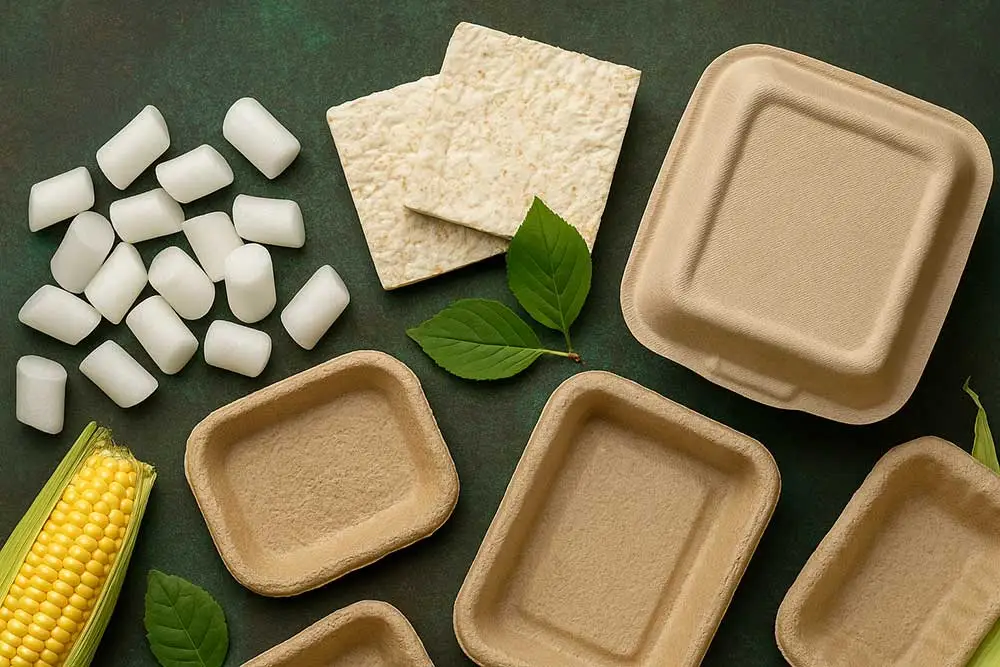
Innovation is converting the packaging sedulity. Smart packaging technologies, eatable packaging, and plant- predicated plastics are getting more common as companies work toward reducing waste and perfecting food safety.
Consumers are increasingly demanding sustainable results, pushing businesses to adopt environmentally responsible paraphernalia without compromising performance.
Innovation is converting the packaging sedulity. Smart packaging technologies, eatable packaging, and plant- predicated plastics are getting more common as companies work toward reducing waste and perfecting food safety.
Consumers are increasingly demanding sustainable results, pushing businesses to adopt environmentally responsible paraphernalia without compromising performance.
Innovation is converting the packaging sedulity. Smart packaging technologies, eatable packaging, and plant- predicated plastics are getting more common as companies work toward reducing waste and perfecting food safety.
Consumers are increasingly demanding sustainable results, pushing businesses to adopt environmentally responsible paraphernalia without compromising performance.Materials for Food Packaging
The Future of Food Packaging materials
Add Your Heading Text Here
Lorem ipsum dolor sit amet, consectetur adipiscing elit. Ut elit tellus, luctus nec ullamcorper mattis, pulvinar dapibus leo.